

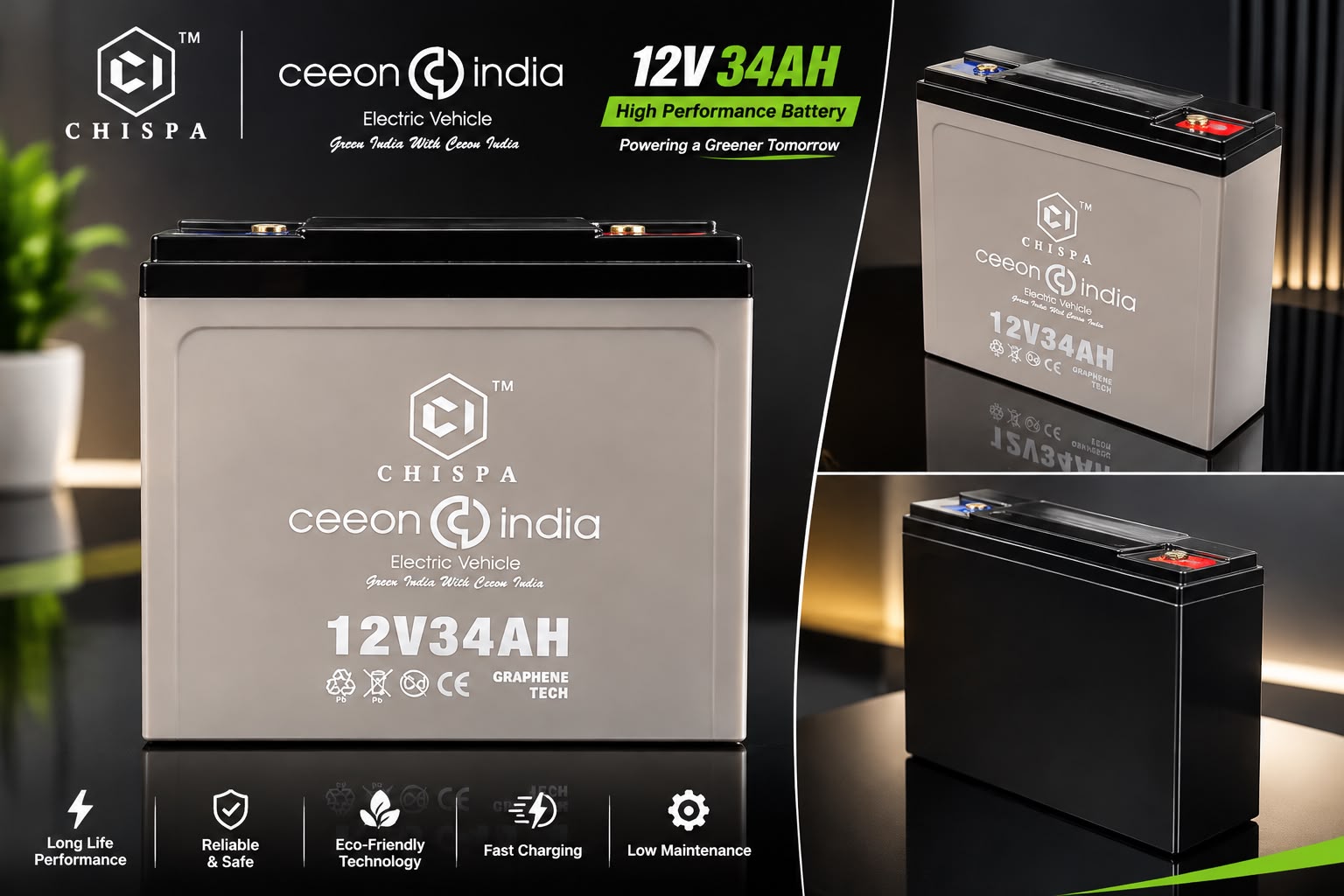
How to Start an Electric Vehicle Battery Business
Electric Vehicle Battery Business : Imagine a customer walks into an electric scooter showroom. They like the design, check the price and ask one important question: “How good is the battery?”
This simple question explains why batteries have become one of the most important parts of the electric vehicle industry.
An electric vehicle can have an attractive design, powerful motor and modern features, but its battery plays a major role in its performance, range and daily usability. As electric scooters, e-rickshaws, electric loaders and other EVs gain market attention, the demand for reliable battery solutions is creating new business opportunities.
For entrepreneurs, automobile dealers and distributors, this opens the door to a growing market.
If you are planning to Start Electric Vehicle Battery Business, this guide will help you understand the business opportunities, product selection, investment factors and steps required to enter the EV battery industry.
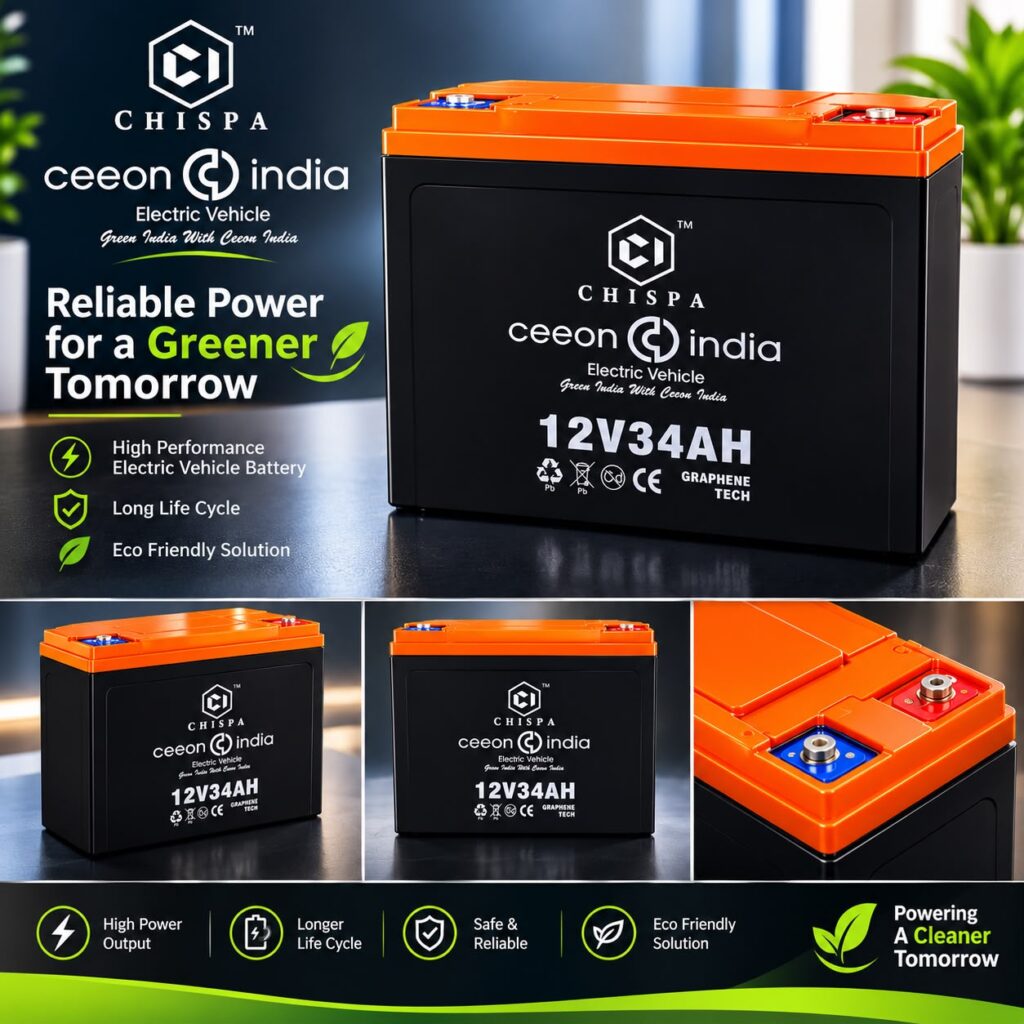
1. Why Is the Electric Vehicle Battery Business Growing in India?
The growth of electric mobility is creating demand for batteries across several vehicle categories.
Electric scooters are being considered for daily commuting. E-rickshaws support local passenger transportation. Electric loaders help small businesses move goods. Each application has different battery requirements.
This creates opportunities for battery manufacturers, distributors, dealers and service providers.
Some major factors supporting market demand include:
- Growing EV adoption: More consumers and businesses are exploring electric transportation.
- Battery replacement demand: Existing EV owners may require replacement batteries during the vehicle’s lifetime.
- Lithium-ion technology: Lithium-ion batteries are attracting attention because of their energy density and suitability for many EV applications.
- Commercial transportation: E-rickshaws and electric loaders create demand for batteries designed for regular commercial use.
- After-sales opportunities: Battery testing, maintenance and replacement services can create additional revenue opportunities.
The opportunity is not limited to selling batteries. Businesses can also explore distribution, technical support and battery-related services.
2. Understand Different Types of Electric Vehicle Batteries
Before entering this business, understand the major battery categories available in the EV market.
Lithium-Ion Batteries
Lithium-ion batteries are widely used in modern electric scooters and other electric vehicles.
Their advantages can include:
- High energy density.
- Lower weight compared with many traditional battery options.
- Good charging efficiency.
- Different capacity options.
- Suitability for various electric vehicle applications.
However, battery performance depends on cell quality, battery management systems, design and operating conditions.
Lead-Acid Batteries
Lead-acid batteries are also used in several electric vehicle applications, particularly in price-sensitive segments.
They are generally known for their established technology and lower initial purchase cost. However, they are heavier and typically have a shorter cycle life than many suitable lithium-ion alternatives.
Business Tip: Do not select batteries based only on price. Understand vehicle compatibility, voltage, capacity, warranty, charging requirements and customer usage patterns.
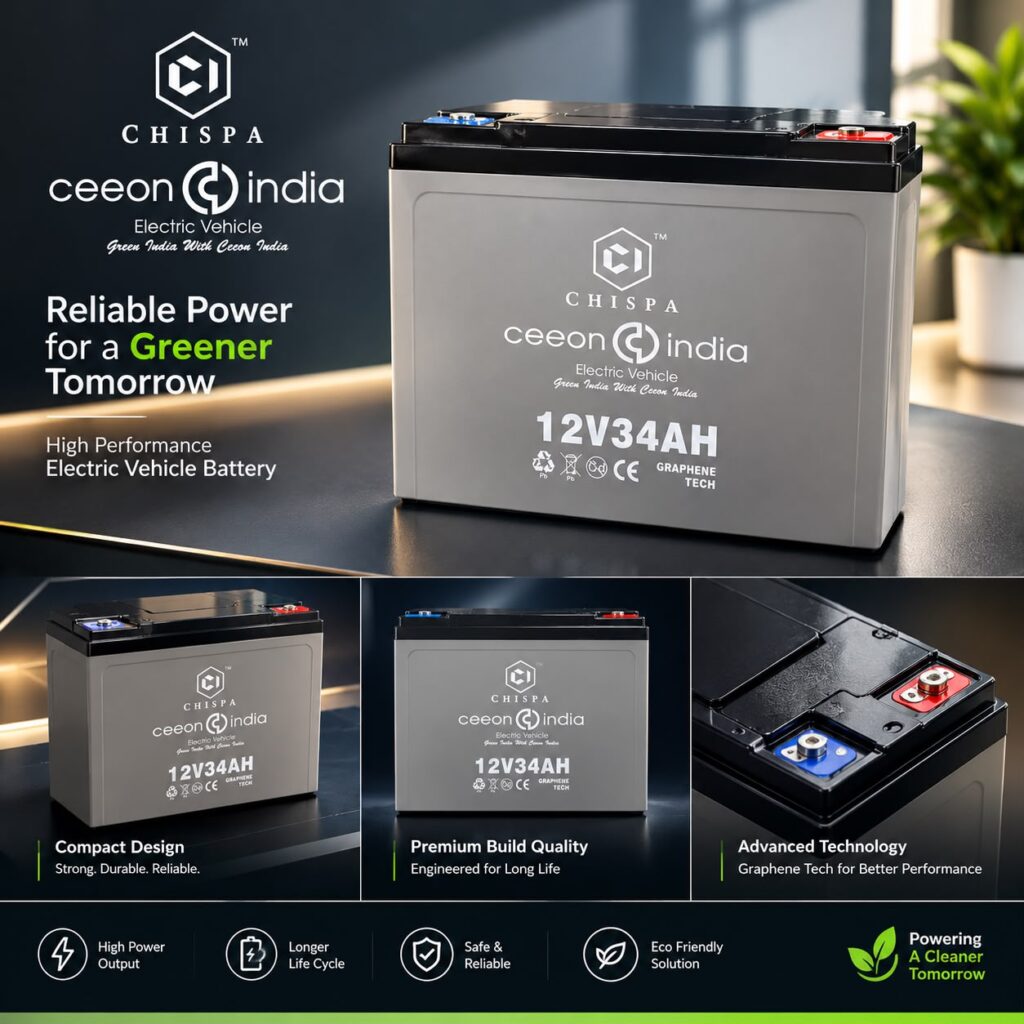
3. How to Start an Electric Vehicle Battery Business?
Starting an EV battery business requires market research and a clear business model.
Follow these practical steps:
Step 1: Research Your Local Market
Identify the electric scooters, e-rickshaws and electric loaders commonly used in your city. Study the battery types, capacities and replacement requirements of these vehicles.
Step 2: Choose Your Business Model
You can enter the market through:
- Electric vehicle battery dealership.
- Battery distribution and wholesale.
- EV battery retail showroom.
- Battery replacement and service centre.
- Business-to-business battery supply.
Step 3: Find a Reliable Supplier
Work with established manufacturers or authorised distributors. Check product quality, technical documentation, warranty terms and supply consistency.
Step 4: Plan Your Investment
Prepare a budget covering inventory, showroom or warehouse space, staff, marketing, technical equipment and working capital.
Step 5: Build Customer Relationships
Connect with EV dealers, vehicle owners, fleet operators, workshops and commercial transport businesses.
A strong customer network can help generate repeat business.
4. Electric Vehicle Battery Dealers Opportunity in India
The Electric Vehicle Battery Dealers opportunity is not restricted to large cities. Smaller towns and developing commercial markets can also offer opportunities.
Consider a local EV dealer selling electric scooters and e-rickshaws. Customers may return for battery inspections, replacements or technical assistance. A battery business that builds relationships with such dealers can develop a regular customer base.
Potential customer segments include:
- Electric scooter dealerships.
- E-rickshaw dealers and operators.
- Electric loader owners.
- EV service centres.
- Fleet operators and delivery businesses.
- Battery replacement retailers.
- Electric vehicle distributors.
For better business development, approach existing EV showrooms and workshops rather than depending entirely on individual walk-in customers.
Building partnerships with vehicle dealers can help you reach customers who already use electric vehicles.
5. How Much Investment Is Required?
Investment depends on your business model, location, inventory and product range. A small retail operation will have different requirements from a wholesale distribution business.
Consider these important expenses:
| Investment Area | Purpose |
|---|---|
| Initial inventory | Different battery types and capacities |
| Shop or warehouse | Storage and customer handling |
| Branding | Signboards and promotional materials |
| Technical equipment | Testing and service tools |
| Staff | Sales and technical support |
| Marketing | Local advertising and lead generation |
| Working capital | Daily operations and inventory replenishment |
Start with products that have clear demand in your target market. Avoid purchasing large quantities of slow-moving battery models.
Also, check storage conditions, handling instructions, fire safety requirements and applicable regulatory obligations before starting operations.
6. How to Choose the Right EV Battery Manufacturer?
Your supplier can make a major difference to your business reputation.
A poor-quality battery can lead to customer complaints, warranty disputes and financial losses.
Evaluate manufacturers using these points:
Product Quality: Check battery cells, battery management systems, electrical protection and overall construction.
Certifications and Compliance: Verify applicable BIS standards, vehicle-related approvals and other regulatory requirements for the specific product and application.
Warranty: Understand the coverage period, exclusions and replacement process.
Technical Support: Check whether the manufacturer provides product training and troubleshooting assistance.
Supply Chain: Make sure the supplier can maintain consistent stock and provide spare parts or replacement support.
Product Range: A wider range of compatible battery solutions can help you serve different vehicle categories.
Remember, your reputation depends on the products you sell. A cheaper battery is not always a better business decision.
7. Marketing Strategies to Grow Your Battery Business
Even a good product needs the right customers. Use a combination of local marketing and digital promotion.
Here are some practical strategies:
- Create a Google Business Profile for local visibility.
- Build a website highlighting battery products and services.
- Run targeted Facebook and Instagram advertisements.
- Connect with nearby electric scooter and e-rickshaw dealerships.
- Publish educational videos about battery care and performance.
- Share customer feedback and product demonstrations.
- Use WhatsApp to manage enquiries and follow-ups.
- Develop B2B relationships with EV manufacturers and distributors.
One effective strategy is to target two audiences separately: individual EV owners and business customers such as dealers, workshops and fleet operators.
Individual customers may need battery replacement, while dealers may need regular product supply. Your marketing should address both requirements.
8. Future Opportunities in India’s EV Battery Industry
The EV battery industry is developing alongside electric mobility, battery technology and charging infrastructure.
Entrepreneurs can explore several related opportunities:
- Lithium-ion battery distribution.
- EV battery replacement services.
- Battery testing and diagnostics.
- Battery-related spare parts.
- B2B battery supply.
- Battery recycling through authorised channels.
Battery recycling and waste management also deserve attention. Businesses handling used batteries must understand applicable Battery Waste Management Rules and Extended Producer Responsibility (EPR) requirements.
As the EV market develops, businesses that focus on product knowledge, safety and reliable customer support can build stronger market positions.
Key Takeaways: Is an EV Battery Business Worth Starting?
The electric vehicle battery industry offers opportunities for entrepreneurs willing to understand the market and build reliable supplier relationships.
Here are some frequently asked questions:
Q1. Is the electric vehicle battery business profitable in India?
It can offer business opportunities through retail sales, wholesale distribution, replacement demand and technical services. Actual profitability depends on margins, inventory turnover, competition and operating expenses.
Q2. How can I start an electric vehicle battery dealership?
Research your local market, identify reliable manufacturers, understand dealership requirements, arrange investment and develop a customer network.
Q3. Which battery is better for electric vehicles: Lithium-ion or Lead-acid?
Both have different applications. Lithium-ion batteries offer advantages in weight and energy density, while lead-acid batteries can have a lower initial cost. Select according to vehicle requirements and customer needs.
Q4. Can I supply batteries to electric scooter and e-rickshaw dealers?
Yes. Battery distribution to EV dealerships, workshops and commercial operators can be a business model, provided you have compatible products, reliable supply and proper technical support.
Start Your EV Business Journey with Ceeon India
The electric vehicle industry is creating opportunities beyond vehicle sales. Battery technology, distribution and after-sales services are becoming important parts of the EV ecosystem.
If you are an entrepreneur, automobile dealer or investor looking to explore the electric vehicle industry, connect with Ceeon India to discuss business and dealership opportunities.
Take the next step towards becoming part of India’s growing electric mobility industry.
Contact Now:
9910412727 | 9468310982 | 8901262036
Visit Website: Click Here
Social Media : Instagram / facebook
Ceeon India – GREEN INDIA WITH CEEON INDIA.
