

Start Electric Scooter and E-Rickshaw Business
Starting a business does not always require inventing something new. Sometimes, the biggest opportunity comes from entering an industry that is already changing people’s everyday lives.
Think about your local market. Delivery riders, office commuters, shopkeepers and small business owners are increasingly looking for affordable transportation. At the same time, e-rickshaws are helping thousands of drivers earn a living through passenger and goods transportation.
This shift has created a growing opportunity for entrepreneurs interested in the electric vehicle industry.
If you are planning to start an Electric Scooter Business or want to Start Electric Rickshaw Business, this could be the right time to explore the EV dealership market. However, success depends on more than selling vehicles. You need the right manufacturer, reliable products, competitive pricing and a business strategy that works in your local market.
Let’s understand how to build a profitable electric vehicle business in India.
1. Why Is the Electric Vehicle Business Growing in India?
India’s transportation market is gradually moving towards electric mobility. Rising fuel expenses, growing awareness of cleaner transportation and demand for affordable vehicles are creating opportunities for electric two-wheelers and three-wheelers.
Electric scooters are attracting students, working professionals, delivery businesses and daily commuters. E-rickshaws are finding demand among local transport operators, small business owners and commercial users.
Here are some reasons behind this growing opportunity:
- Lower running costs: Electric vehicles can help reduce daily transportation expenses compared with conventional petrol vehicles.
- Multiple customer segments: Electric scooters and e-rickshaws serve different types of buyers.
- Growing EV awareness: More customers are exploring electric mobility as a practical transportation option.
- Business opportunities: Entrepreneurs can enter the market through dealerships, distribution and after-sales services.
- Commercial applications: E-rickshaws and electric loaders support local passenger and goods transportation.
For entrepreneurs, this means there is an opportunity to build a business around products that solve real transportation needs.
2. Electric Scooter Business vs. E-Rickshaw Business: Which Is Better?
Before investing, understand the difference between these two business categories. Both offer opportunities, but their customer bases and selling strategies are different.
Electric Scooter Business
An electric scooter dealership generally targets individual customers who need affordable personal transportation.
Your potential customers may include:
- College students and young professionals.
- Office employees and daily commuters.
- Families looking for economical transportation.
- Delivery partners and small business owners.
- Customers interested in replacing petrol scooters.
Offering multiple models, attractive designs, suitable battery options and dependable after-sales support can help attract different customer groups.
Start an Electric Rickshaw Business
The e-rickshaw segment serves a more commercial audience. Buyers often evaluate vehicle capacity, motor performance, battery options, durability and maintenance support before purchasing.
Potential customers include:
- Local passenger transport operators.
- Small transport businesses.
- Entrepreneurs entering the commercial EV market.
- Goods delivery operators.
- Small shopkeepers and distributors.
Expert Tip: If your local market has demand for both personal and commercial transportation, consider a dealership that offers electric scooters, e-rickshaws and electric loaders. A wider product range can help you approach more customer segments.
3. How to Choose the Right Electric Vehicle Manufacturer?
Your manufacturer can influence the long-term success of your dealership. A low purchase price may look attractive initially, but poor product quality or limited service support can create problems later.
Before selecting an electric vehicle manufacturer, evaluate these factors:
1. Manufacturing Experience
Choose a company with established manufacturing operations and industry experience. Check its manufacturing facilities and product portfolio.
2. Product Certifications
Verify applicable vehicle approvals, certifications and regulatory compliance. For eligible models, check the relevant ICAT approval documentation.
3. Product Quality
Evaluate the motor, controller, chassis, battery options, wiring, braking system and overall vehicle construction.
4. Warranty Support
Understand the warranty terms for different components. Check what is covered, the duration and the process for making warranty claims.
5. Spare Parts Availability
A reliable spare parts supply helps dealers maintain customer confidence and provide timely service.
6. Dealer Support
Look for manufacturers that offer product training, marketing materials, sales guidance and assistance with dealership development.
Remember, a dealership is not just about purchasing vehicles. It is about building a long-term relationship with a manufacturer.
4. How Much Investment Is Required to Start an EV Dealership?
One of the first questions entrepreneurs ask is about investment.
The required investment depends on your location, showroom size, product range, inventory and manufacturer dealership terms.
Consider these major expenses before starting:
- Showroom: Rental deposit, interior work, display space and signage.
- Initial inventory: Electric scooters, e-rickshaws and other selected models.
- Branding: Exterior boards, banners, promotional materials and showroom branding.
- Staff: Sales executives, customer support and technical staff.
- Marketing: Local advertising, digital promotions and lead generation.
- Working capital: Funds for daily operations and unexpected expenses.
Do not invest your entire budget in vehicle inventory. Keep sufficient working capital for marketing, customer service and regular business expenses.
A practical approach is to discuss investment requirements with the manufacturer and prepare a location-based business plan before committing funds.
5. Why EV Dealers in NCR Have a Strong Business Opportunity
The National Capital Region (NCR) offers an interesting market for electric vehicle dealerships.
Cities such as Greater Noida, Noida, Ghaziabad, Gurugram, Faridabad and nearby industrial areas have diverse customer segments.
The region includes residential communities, commercial markets, delivery businesses and industrial zones. These create different potential markets for electric scooters, e-rickshaws and electric loaders.
However, location selection matters.
Before opening your showroom:
- Research existing electric vehicle dealerships nearby.
- Identify areas with regular two-wheeler and e-rickshaw demand.
- Choose a visible location with convenient road access.
- Study competitors’ product range and pricing.
- Connect with local transport operators and business owners.
- Build relationships with finance providers where available.
Entrepreneurs searching for EV Dealers in NCR should also evaluate the manufacturer’s proximity to their market. Better logistical support can make inventory management and after-sales coordination easier.
6. How to Generate Customers for Your EV Dealership
Opening a showroom is only the first step. The next challenge is attracting customers and converting enquiries into sales.
A combination of offline and online marketing can help.
Local Marketing
- Display attractive vehicle models outside your showroom.
- Distribute brochures in commercial and residential areas.
- Organise product demonstrations.
- Connect with local transport associations.
- Build referral relationships with existing customers.
Digital Marketing
- Create a Google Business Profile.
- Publish regular vehicle videos and customer testimonials.
- Run Facebook and Instagram advertisements.
- Create WhatsApp campaigns for local enquiries.
- Develop a website with model details and dealership information.
One useful strategy is to create separate advertising campaigns for electric scooters and e-rickshaws. Their customers have different needs, so your marketing message should address those needs directly.
For example, promote affordable personal transportation to scooter buyers and commercial earning opportunities to e-rickshaw buyers.
7. Why Partner with Ceeon India for Your EV Dealership?
Choosing the right manufacturing partner is one of the most important decisions when entering the electric vehicle industry.
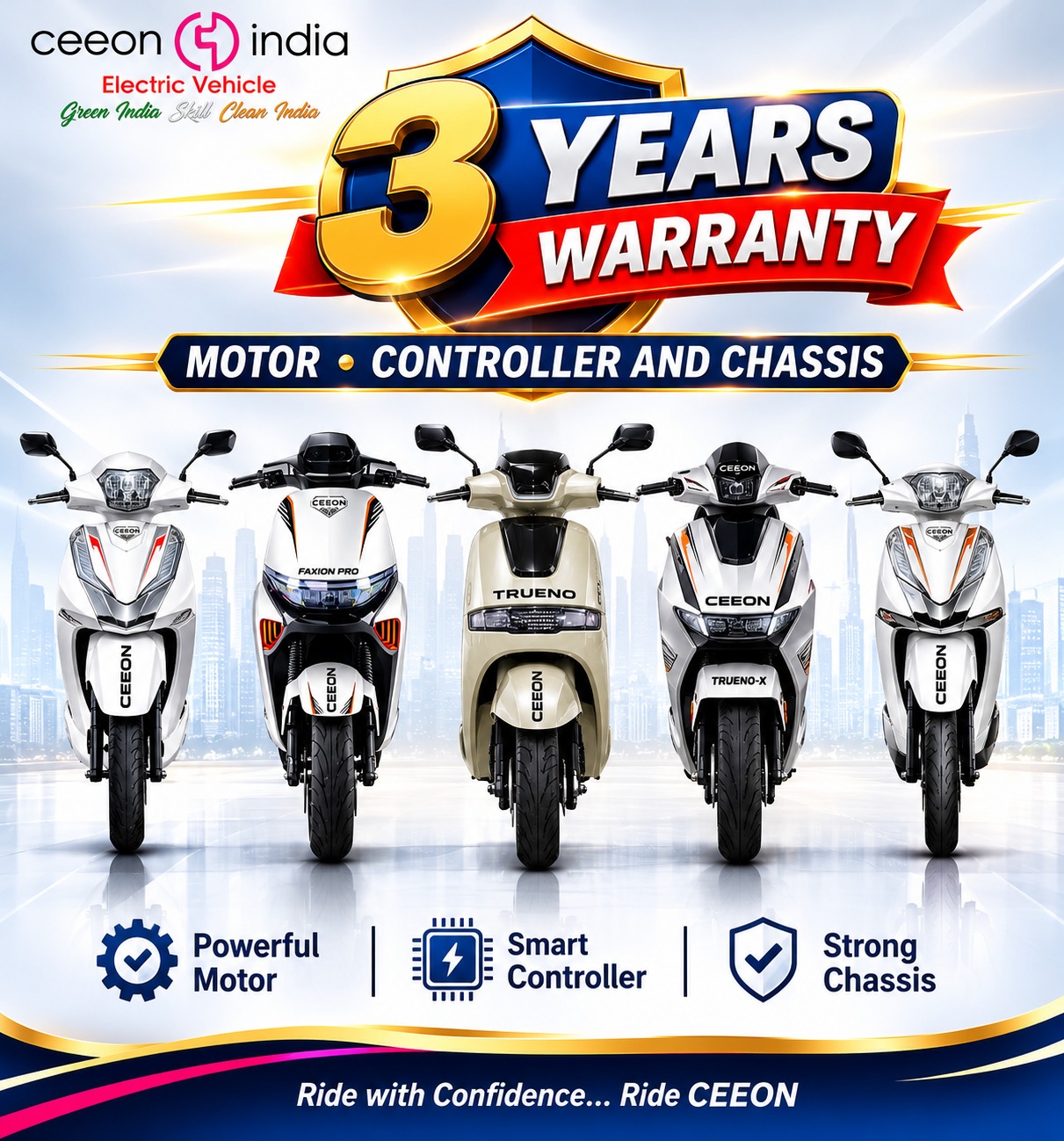
Ceeon India is an electric vehicle manufacturer offering a range of electric scooters, e-rickshaws and electric loaders for different customer requirements.
With manufacturing operations in Ambala, Haryana and Greater Noida, Uttar Pradesh, Ceeon India focuses on developing electric mobility solutions for the Indian market.
Reasons to explore a Ceeon India dealership include:
- Established manufacturing experience since 2014.
- ICAT-approved vehicle models.
- A diverse range of electric scooters and commercial EVs.
- Manufacturing infrastructure and product development capabilities.
- A growing dealership network across India.
- Dealer-focused business and marketing support.
Whether you want to enter the electric scooter market or explore commercial three-wheelers, choosing a manufacturer with multiple product categories can help you develop your business over time.
Ceeon India aims to support entrepreneurs looking to become part of India’s growing electric mobility industry.
8. Common Mistakes to Avoid When Starting an EV Business
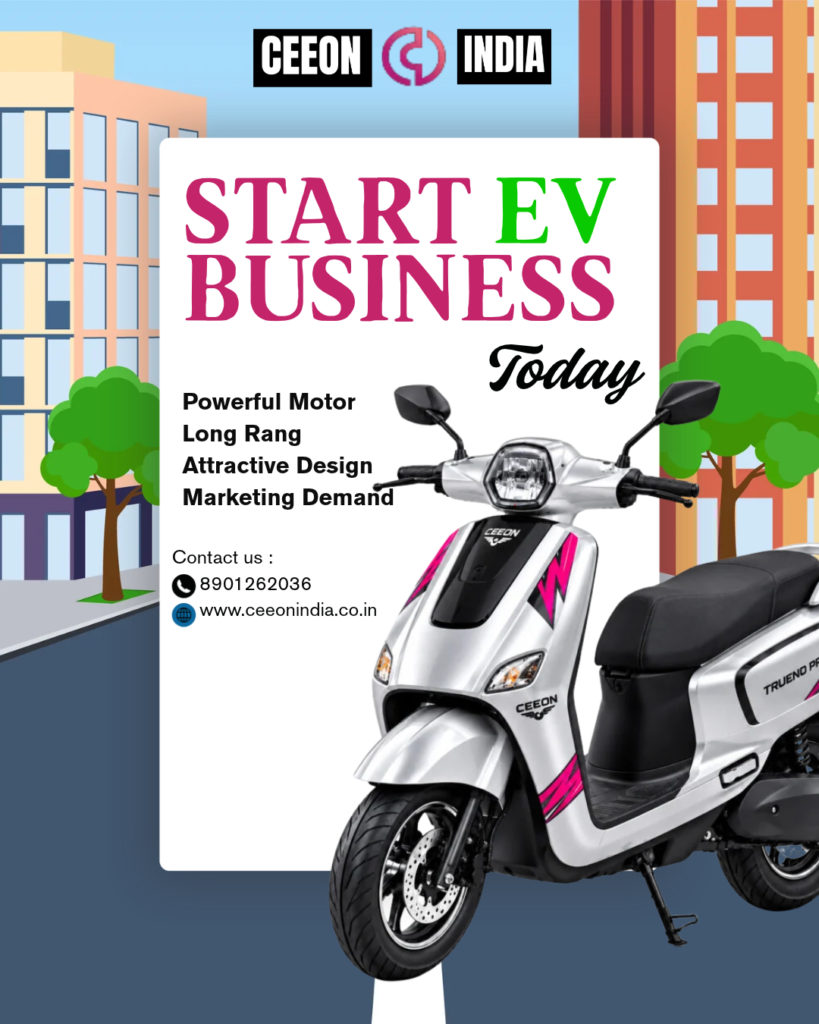
Many new entrepreneurs focus only on the purchase price and expected sales. This can lead to poor business decisions.
Avoid these common mistakes:
- Selecting a manufacturer without checking product quality.
- Opening a showroom without researching local demand.
- Ignoring spare parts and after-sales support.
- Investing too much in initial inventory.
- Depending entirely on walk-in customers.
- Neglecting digital marketing and online enquiries.
- Not understanding warranty and vehicle documentation.
A successful dealership is built through customer trust, product reliability and consistent business management.
Key Takeaways: Is an Electric Vehicle Dealership Worth Exploring?
The electric vehicle industry offers opportunities across personal and commercial transportation. However, entering this market requires proper planning and the right manufacturing partnership.
Here are four common questions to consider:
Q1. Is an electric scooter business profitable in India?
An electric scooter dealership can generate revenue through vehicle sales, accessories, spare parts and related services. Actual profitability depends on investment, sales volume, operating expenses and local competition.
Q2. How can I start an electric rickshaw business?
Research your local market, identify a suitable manufacturer, understand dealership requirements, arrange investment and establish a showroom with proper service support.
Q3. How do I find EV dealers in NCR?
Explore established electric vehicle manufacturers, compare their product portfolios and dealership terms, and contact their sales teams for available dealership opportunities in your preferred city.
Q4. Why should I choose an established EV manufacturer?
An experienced manufacturer can offer better insight into product development, manufacturing processes, vehicle documentation and dealer support. Always verify the manufacturer’s claims and applicable product approvals.
Start Your Electric Vehicle Business with Ceeon India
The next successful electric vehicle dealership could be in your city.
If you are planning to start an Electric Scooter Business, enter the E-Rickshaw Business or become an electric vehicle dealer, Ceeon India invites you to explore dealership opportunities.
Partner with an established EV manufacturer and take your first step towards building a business in India’s growing electric mobility market.
Contact Now:
9910412727 | 9468310982 | 8901262036
Visit Website: Ceeon India
Social Media : Instagram / Facebook
Ceeon India – Green India with Ceeon India.
