

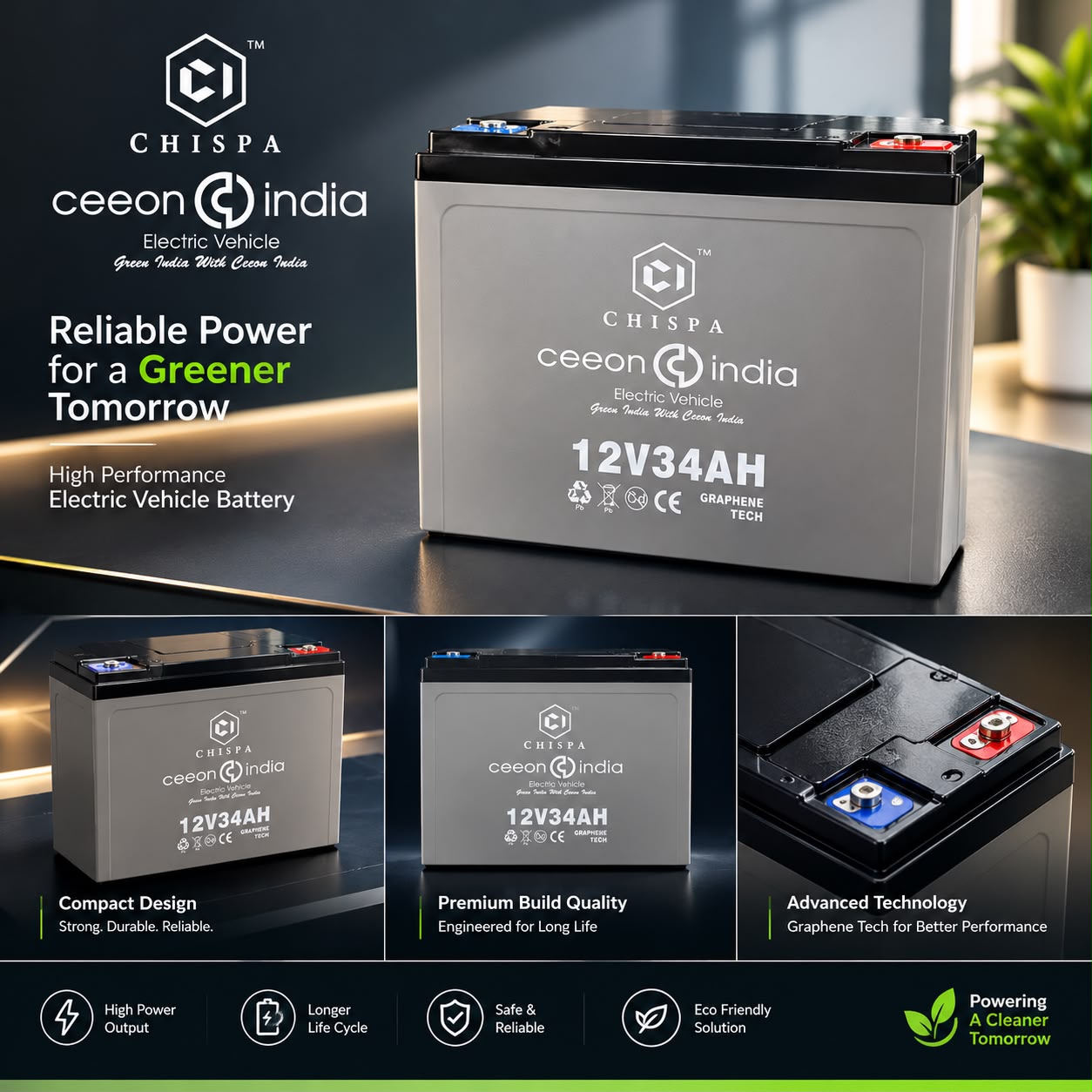
Electric Scooter Battery Manufacturer: Choosing the Right Battery
Scooter Battery Manufacturer : Imagine buying an electric scooter that looks great, offers a comfortable ride and fits your budget. But after a few months, its range starts dropping. Charging takes longer, and battery performance becomes unreliable. The problem may not be the scooter. It may be the battery.
The battery is one of the most important parts of an Electric Vehicle. It affects range, charging time, running cost, performance and customer satisfaction. Whether you are buying an electric scooter, running an EV dealership or exploring the electric vehicle industry, understanding battery technology can help you make a better decision.
A reliable electric scooter battery manufacturer focuses on more than just battery capacity. It also considers safety, cell quality, battery management systems and long-term performance.
In this guide, we will explain the key factors to consider when choosing an electric scooter battery and what EV buyers and businesses should know before making a decision.
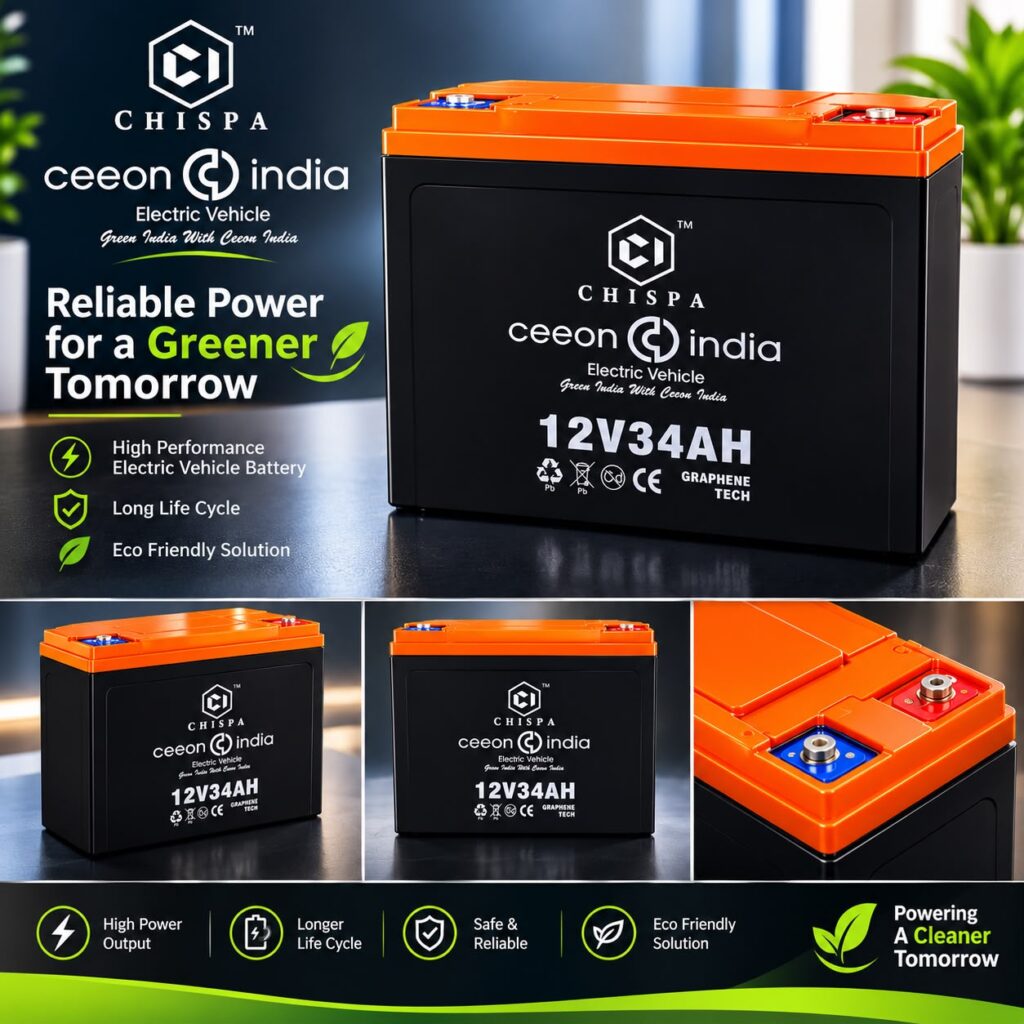
1. Why Is the Battery So Important in an Electric Scooter?
An electric scooter depends on its battery to store and supply energy to the motor. A good battery supports smooth acceleration, reliable range and consistent performance.
A poor-quality battery can lead to frequent charging, reduced range and higher maintenance costs.
Here are the main ways a battery affects an electric scooter:
- Driving range: Battery capacity and efficiency influence how far the scooter can travel on one charge.
- Charging time: Battery technology and charger compatibility affect how quickly it charges.
- Performance: The battery supplies power to the motor, especially during acceleration and uphill riding.
- Running cost: Battery efficiency and lifespan influence the overall cost of ownership.
- Safety: Proper cell quality, protection systems and manufacturing standards help reduce battery-related risks.
For example, a delivery rider who travels long distances every day may need a different battery setup from someone who uses a scooter for short daily commutes.
The right battery depends on how the vehicle will be used.
2. Types of Electric Scooter Batteries
Before selecting a battery, understand the two commonly used battery types in electric scooters.
Lithium-Ion Battery
Lithium-ion batteries are popular in modern electric vehicles because they offer a good balance of energy storage, weight and performance.
Common advantages include:
- Lower weight compared with many lead-acid battery setups.
- Good energy density.
- Faster charging potential, depending on the battery and charger.
- No regular water topping-up requirement.
- Suitable for many modern electric scooter designs.
However, battery quality matters. Cell grade, battery design, temperature control and the Battery Management System (BMS) all affect performance.
Lead-Acid Battery
Lead-acid batteries have been used in electric vehicles for many years. They are often considered by buyers looking for a lower initial purchase cost.
Their common features include:
- Lower upfront cost in many applications.
- Established battery technology.
- Heavier construction.
- Regular maintenance requirements for certain types.
- Generally lower energy density than lithium-ion batteries.
The best option depends on your budget, daily travel distance, charging habits and long-term ownership plans.
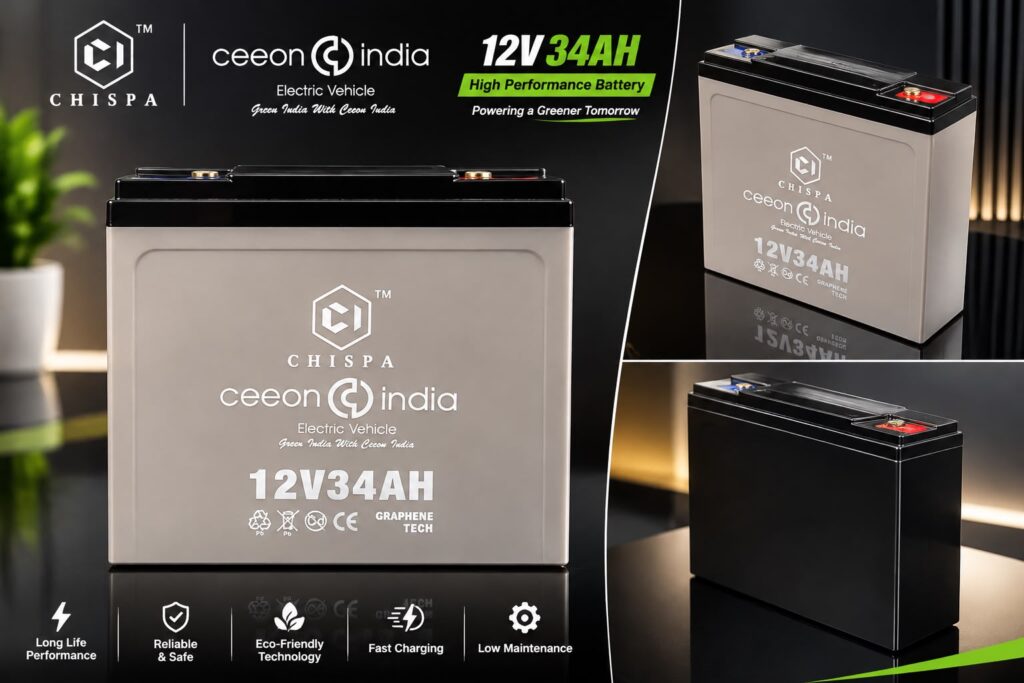
3. How to Choose the Right Electric Scooter Battery Model
Not every electric scooter needs the same battery. Choosing the correct Electric Scooter battery Model requires checking the vehicle’s technical requirements and intended use.
Consider these five factors before purchasing:
1. Battery Voltage
The battery voltage must match the scooter’s motor controller and electrical system. Never select a battery only because its capacity looks attractive.
2. Battery Capacity
Capacity is commonly measured in ampere-hours (Ah) or watt-hours (Wh). A higher capacity can provide more stored energy, but actual range also depends on motor power, rider weight, road conditions, speed and riding style.
3. Battery Management System
The BMS monitors important battery functions. Depending on its design, it can provide protection against overcharging, over-discharging, excessive current and temperature-related issues.
4. Charger Compatibility
Always use a charger designed for the battery’s chemistry, voltage and charging requirements. An incompatible charger can damage the battery and create safety risks.
5. Warranty and After-Sales Support
Check the warranty period, coverage conditions and service availability. Ask whether the manufacturer provides support if the battery develops a problem.
4. What Makes a Reliable Electric Scooter Battery Manufacturer?
The market has many battery suppliers, but not every supplier follows the same quality process. A reliable manufacturer should focus on consistent production, testing and technical support.
Before choosing an electric scooter battery Manufacturer, check the following:
- Cell quality: Ask about the battery cells used and their quality standards.
- Battery design: Check whether the battery is designed for the vehicle’s power requirements.
- BMS protection: Understand the safety features included in the battery.
- Quality testing: Ask about electrical, performance and safety checks.
- Documentation: Review technical specifications, warranty terms and relevant compliance documents.
- Service support: Confirm how the company handles battery complaints and replacement requests.
For EV manufacturers and dealers, a dependable battery supply chain can make a real difference. Consistent battery quality helps reduce service issues and builds customer confidence.
Do not select a battery supplier based on price alone. A cheaper battery may cost more over time if it needs frequent replacement.
5. Electric Rickshaw Batteries: What Should Buyers Know?
Electric rickshaws have different operating needs from electric scooters. They often carry passengers or goods, travel for longer working hours and operate on varied road conditions.
That is why selecting the right battery is essential.
A reliable Electric rickshaw battery Manufacturer should understand the vehicle’s load, motor requirements, daily operating hours and charging pattern.
Before choosing an e-rickshaw battery, check:
- Battery voltage and capacity requirements.
- Compatibility with the motor and controller.
- Expected daily operating distance.
- Charging time and available charging facilities.
- Battery warranty and service support.
- Suitability for passenger or cargo applications.
For example, a passenger e-rickshaw operating throughout the day may need a different battery configuration from a small goods loader used for short-distance deliveries.
Always compare battery specifications with the vehicle manufacturer’s recommendations. A battery that works in one model may not be suitable for another.
6. Battery Maintenance Tips to Improve Performance
Even a high-quality battery needs proper care. Good charging and maintenance habits can help maintain performance and reduce avoidable problems.
Follow these practical tips:
- Use the recommended charger supplied or approved for your vehicle.
- Avoid exposing the battery to excessive heat or water.
- Do not ignore unusual heating, swelling, smell or charging behaviour.
- Get battery connections and wiring checked by a trained technician.
- Follow the manufacturer’s charging and storage instructions.
- Avoid unauthorised battery modifications.
- Arrange regular inspections if the vehicle is used commercially.
If you notice a sudden drop in range, do not immediately assume the battery has failed. Tyre pressure, brake drag, riding conditions, wiring and motor issues can also affect range.
A proper inspection can help identify the real cause.
7. The Future of Battery Technology in Electric Mobility
Battery technology continues to shape the future of electric mobility. Better energy density, improved battery management and more efficient manufacturing can help make electric vehicles more practical.
For electric scooters, motorcycles, cars and three-wheelers, battery development can influence:
- Driving range and vehicle efficiency.
- Charging speed and convenience.
- Battery lifespan and replacement cost.
- Vehicle weight and design.
- Safety and thermal management.
However, new technology alone does not guarantee better performance. Proper engineering, testing and compatibility remain essential.
As EV adoption grows, buyers and businesses should focus on reliable products and manufacturers rather than choosing a battery based on marketing claims alone.
Key Takeaways: Choosing the Right EV Battery
Q1. Which battery is better for an electric scooter: lithium-ion or lead-acid?
Lithium-ion offers lower weight and higher energy density in many applications. Lead-acid can have a lower upfront cost. The right choice depends on budget, usage and vehicle compatibility.
Q2. What should I check before buying an electric scooter battery?
Check voltage, capacity, battery chemistry, BMS protection, charger compatibility, warranty and manufacturer support.
Q3. Does a higher Ah battery always provide more range?
Not necessarily. Actual range also depends on voltage, motor efficiency, vehicle weight, road conditions, speed and riding habits.
Q4. Can an electric scooter battery be replaced with a different model?
Only if the replacement meets the vehicle’s electrical and physical requirements. Consult the vehicle manufacturer or an authorised technician before changing the battery.
Explore Reliable Electric Mobility Solutions with Ceeon India
Choosing the right electric vehicle starts with understanding its technology, quality and long-term value. Whether you are exploring electric scooters, e-rickshaws or an opportunity in the EV industry, make informed decisions based on genuine specifications and dependable manufacturer support.
Ceeon India is an electric vehicle manufacturer offering a range of electric scooters and electric three-wheeler solutions. Explore its product range and learn more about its manufacturing and dealership opportunities.
Ready to explore electric mobility solutions or start your EV business?
Visit Ceeon India or contact Ceeon India today.
Contat Now : 9468310982 / 9205866033
Choose smart. Build with confidence. Move towards electric mobility.
